What Businesses Should Know About Commercial Septic and Sewer System Installation
Businesses seeking commercial septic and sewer system installation aim to ensure reliable waste management, and local service providers can handle the installation efficiently and professionally.
Understanding what businesses should know about commercial septic and sewer system installation is essential for property owners planning to develop or upgrade their facilities. Proper installation ensures reliable waste management, helps prevent costly disruptions, and supports compliance with local regulations. Whether establishing a new commercial site or upgrading an existing system, exploring how local contractors can assist with the installation process can provide peace of mind and practical benefits, making it easier to keep operations running smoothly.
For property owners in the area, working with experienced service providers can make a significant difference in managing the complexities of septic and sewer system installation. Local contractors bring valuable knowledge of regional codes, soil conditions, and site-specific considerations, helping to ensure the system is installed correctly and functions efficiently. Continued reading can shed light on key factors to consider and how local experts are equipped to handle these important projects, supporting the ongoing success of your business.
Get Quotes for Commercial Septic And Sewer System Installation
- Commercial septic system installation - businesses in new or expanding facilities may need this service to ensure proper waste management, with local contractors assessing site conditions and designing systems accordingly.
- Sewer system installation - when establishing a commercial property in areas lacking existing sewer connections, local service providers handle the installation to meet building codes and operational needs.
- Septic tank upgrades or replacements - companies experiencing system failures or increased capacity requirements can rely on local pros to upgrade or replace septic systems efficiently.
- Drain field installation - new commercial sites requiring effective waste dispersal depend on local contractors to install drain fields that comply with local regulations and soil conditions.
- System inspections and troubleshooting - ongoing maintenance or problem diagnosis can be managed by local service providers to identify issues and plan necessary system repairs or upgrades.
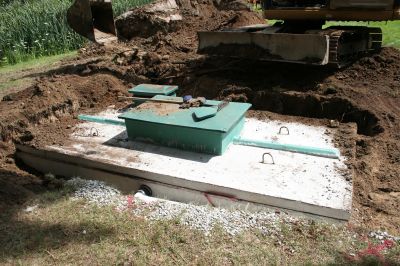
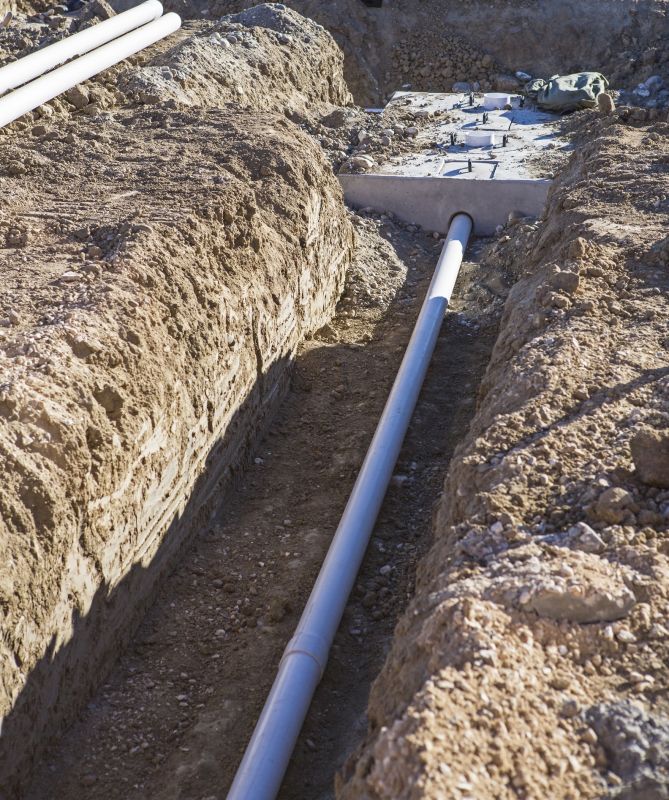
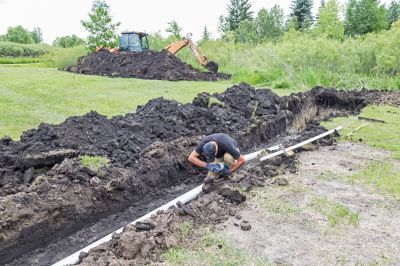
When searching for information on commercial septic and sewer system installation, most people are looking to understand the basics of what the process involves and why it’s an essential part of developing or maintaining a business property. This topic often comes up when planning a new commercial project, upgrading existing infrastructure, or dealing with issues related to waste management. Business owners want to know how these systems work, what the installation entails, and how to ensure the process aligns with local regulations and property needs. Understanding these fundamentals helps business owners make informed decisions about the scope of work and the types of systems that will best serve their operations.
Commercial septic and sewer system installation relates to a variety of problems and planning considerations. For example, new businesses or facilities in areas without access to municipal sewer lines need reliable waste disposal solutions. This process also plays a role in addressing existing system failures or capacity issues that could disrupt daily operations. Proper installation is critical to prevent future problems like leaks, backups, or contamination. Businesses often need to coordinate with local contractors to design a system that fits their property size, usage demands, and local codes. Having a clear understanding of these factors can help avoid costly delays or modifications down the line.
The types of properties involved in commercial septic and sewer system installation can vary widely. Industrial facilities, retail centers, office buildings, and even some hospitality venues may require specialized systems tailored to their specific waste output. Properties situated in rural or suburban areas are more likely to rely on septic systems, especially if municipal sewer access is limited or unavailable. Larger properties or those with high occupancy levels may need more complex or higher-capacity systems. Knowing the property’s size, usage patterns, and location helps identify the right type of system and ensures that the installation meets the operational needs of the business.
For business owners, working with experienced local service providers is a key step in the installation process. These contractors understand local building codes, soil conditions, and environmental considerations that influence system design and placement. They can assess the property, recommend suitable system types, and handle the installation efficiently. Connecting with knowledgeable local pros ensures that the project complies with all regulations, functions reliably, and supports the business’s ongoing operations. Proper installation by experienced professionals helps prevent future issues, saving time and money while providing peace of mind that the waste management system is built to last.
Drainage System Design Projects - These projects involve planning and installing effective drainage solutions, requiring similar site assessment and underground piping skills as commercial septic and sewer system installations.
Stormwater Management Installations - Installing systems to manage runoff involves trenching, piping, and site layout planning, aligning closely with the skills used in sewer system setup for businesses.
Underground Utility Installations - Local contractors handle the placement of underground utilities such as water lines and electrical conduits, sharing expertise in trenching and excavation techniques necessary for sewer and septic systems.
Water Supply System Setup - Projects that involve installing or upgrading water lines require knowledge of underground piping and site planning similar to commercial sewer system installation.
Grease Trap and Wastewater System Installations - These specialized systems demand precise planning and underground installation skills, paralleling the work involved in commercial septic system setup.
Site Excavation and Grading Projects - Proper site preparation through excavation and grading is essential for sewer and septic system installation, making these projects relevant for local contractors with similar expertise.
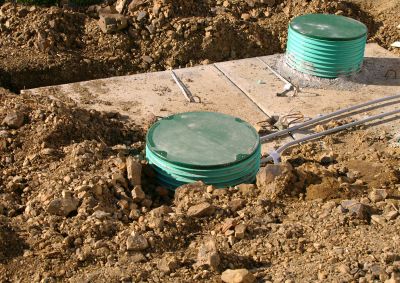
When comparing service providers for commercial septic and sewer system installation, it’s essential to consider their experience with similar projects. A contractor with a proven track record in commercial systems will better understand the unique requirements and challenges associated with larger-scale installations. Homeowners should inquire about the types of commercial properties they have worked on and seek out service providers who have successfully handled projects comparable in size and complexity. This experience can help ensure the installation is completed efficiently and meets the specific needs of the business environment.
Clear written expectations are a vital aspect of choosing the right contractor. It’s important to discuss and document the scope of work, materials to be used, timeline, and any other relevant details before beginning the project. Well-defined expectations help prevent misunderstandings and ensure that both parties are aligned on project deliverables. Service providers who are transparent about their processes and can provide detailed proposals or estimates demonstrate professionalism and a commitment to clarity, which can contribute to a smoother installation process.
Reputable references and effective communication are key indicators of a reliable service provider. Asking for references from previous clients can provide insights into the contractor’s reliability, quality of work, and ability to meet deadlines. Additionally, a contractor who maintains open lines of communication-responding promptly to questions and providing updates-can help keep the project on track and address any issues early on. Choosing a local contractor known for clear communication and positive references can lead to a more predictable and satisfactory installation experience for a business.
Get a Quote for Commercial Septic And Sewer System Installation
Property owners often search for what businesses should know about commercial septic and sewer system installation when they are planning practical projects around their homes and businesses. Local pros provide Commercial Septic and Sewer System Installation services for everyday jobs and straightforward project options.
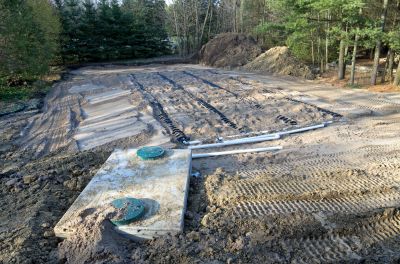

Understanding the essentials of commercial septic and sewer system installation is important for business owners managing properties that require reliable waste management solutions. Everyday project situations, such as expanding a commercial facility, upgrading aging infrastructure, or establishing a new site, often lead property owners to seek professional installation services. Local contractors who specialize in these systems can assess the specific needs of a property, ensuring that the installation complies with local codes and functions efficiently for years to come. Recognizing the importance of a properly installed system helps prevent costly issues like backups or system failures that could disrupt operations.
Business owners may also look into commercial septic and sewer system installation when planning renovations or dealing with property developments that lack access to municipal sewer lines. In these cases, local service providers can offer tailored solutions that fit the unique demands of the site, whether it involves designing a new septic system or connecting to existing sewer infrastructure. Choosing experienced local contractors ensures that the installation process is handled correctly, minimizing potential disruptions and ensuring the system operates smoothly from the start. This proactive approach can save time and money while supporting the ongoing functionality of the business property.
Get a Quote for Commercial Septic And Sewer System Installation
What should businesses consider before installing a commercial septic or sewer system? Businesses should evaluate their property's size, usage needs, and local regulations to determine the appropriate system type and capacity. Consulting with experienced service providers can help identify the most suitable installation options for specific operational requirements.
How do local contractors ensure proper installation of commercial septic and sewer systems? Local service providers follow industry standards and best practices to ensure systems are installed correctly, including proper site assessment, accurate placement, and appropriate materials to meet the needs of the business and comply with regulations.
What types of commercial septic and sewer systems are available for different business types? There are various system options, such as conventional septic tanks, aerobic treatment units, and advanced sewer connections, each suited to different business sizes and wastewater volumes. Local contractors can recommend the best system based on specific operational demands.
Why is proper site assessment important for commercial septic and sewer system installation? Proper site assessment helps identify soil conditions, groundwater levels, and space constraints, ensuring the selected system functions effectively and complies with local codes. Experienced service providers conduct thorough evaluations to support successful installation.
What role do local service providers play in the installation of commercial septic and sewer systems? Local contractors handle all aspects of installation, including planning, site preparation, system setup, and ensuring compliance with relevant standards. Their expertise helps ensure the system operates reliably and meets the business’s operational needs.
Site assessment and planning - Understanding the specific needs of a commercial property helps property owners work with local contractors to design an effective septic or sewer system.
Permitting and code compliance - Knowing the local regulations ensures that installation projects meet all requirements, avoiding delays or legal issues.
Proper system sizing - Ensuring the system is appropriately scaled for business operations helps prevent future problems like backups or overflows.
Material and system selection - Choosing the right materials and system types with the help of local service providers supports long-term reliability and performance.
If you are thinking about what businesses should know about commercial septic and sewer system installation for a property, this guide is meant to help you understand this topic, the typical project types, and how different options might fit your plans.
When you are ready, you can use the quote form on this page to share a few details about your project. From there, local pros can review the basics and follow up with options that match what you have in mind.
Get a Quote for Commercial Septic And Sewer System Installation